Key Takeaways:
- What are seasonal allergies
- Our Eyes and Pollen
- Tips to Get Ahead of Allergic Conjunctivitis
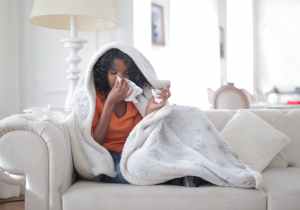
The long winter is over and spring has sprung. For some, this can mean months of watery, itchy, and swollen eyes. Why are some so miserable this time of the year? Is there anything that can be done to curb the symptoms?
What are Seasonal Allergies?
Our bodies are built to protect us. For example, get too close to a campfire and you’ll quickly be reminded to maintain a safe distance so as to avoid being burned. However, reactions to blooming flowers, trees and grasses do not always make themselves so apparent.
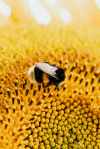
Pollen is one of the most common triggers to seasonal allergies. A light-weight yellowish powder, pollen travels easily from plant to plant through the wind, animals and insects. Allergies often run in families and have been found to affect some 30% of adults and over 40% of children. While some have allergies year-round from pet dander, dust mites or molds, most are affected during spring, summer and fall when plants are in bloom.
How Does Pollen Affect Our Eyes?
Those who have allergies are more likely to suffer from allergic conjunctivitis. Allergic conjunctivitis is inflammation of the tissue of the inside of the eye (conjunctiva) and some of the white part of the eyeball (sclera). It is a common eye condition affecting over 20% of people. Symptoms generally resolve within 24-48 hours but they can range in severity.
Allergic conjunctivitis symptoms can include:
- Whites of the eyes may be pink or red
- Puffiness around the eyes
- The eyes may feel itchy or gritty
- Swollen eyelids
Tips to Get Ahead of Allergic Conjunctivitis
- Don’t rub your eyes. This only causes more irritation and could even introduce bacteria into the eye.
- Limit the amount of time you spend around the source of the reaction. Keep windows and doors in the house closed and stay indoors as much as possible until symptoms decrease. While in the car, keep the windows rolled-up.
- Bathe the eye with cold compress, which may help to reduce swelling. Speak with your doctor about over-the-counter decongestant eye drops or prescription antihistamine drops such as Alaway which can relieve symptoms.
- Don’t wear contact lenses. If you are having a flare up, don’t compound the problem by wearing contact lenses. If this is not an option; daily disposable contact lenses are what most optometrist and ophthalmologist recommend. Your doctor can advise you for how long this may be necessary.
The Bottom Line
There are a wide variety of simple treatments to avoid seasonal eye allergies. However, these at-home treatments may not work for every person. So if your allergy symptoms persist, speak to your healthcare professional about histamine blocking medications such as Allegra or Claritin.
 The In-sight-ful Optician